Level-three graduate, Seminary of Isfahan, Isfahan, Iran
10.22034/mcr.2025.356233.1015
Abstract
Nahj al-Balagha, which is derived from both transcendent wisdom and historical engagement with its audience, is rich with implicit meanings. The qualitative analysis of interactive metadiscourse seeks to bridge the historical gap between text and reader to uncover deeper meanings. Imam Ali’s audience, addressed across various historical contexts, has been influenced by his words, often expressed through figurative or metaphorical language. These expressions sometimes serve to encourage comprehension, while at other times, they are deliberately employed to inspire and instill purposed motivation aligning with the pedagogical role of the Imam in the society. A structural analysis of the sermons in Nahj al-Balagha reveals their connection to doctrinal, political, and cultural currents, with certain words and phrases functioning as catalysts for collective action. This study, utilizing an analytical metadiscourse approach, explores Imam Ali’s rhetorical strategies for motivation, particularly in relation to audience education. Additionally, by conducting a comparative linguistic analysis within the sermons, the research aims to shed light on the communicative environment shaping these motivational elements.
رحمتی، سجاد؛ سحر کاوندی؛ و محسن جاهد. (1399 هـ.ش). «انگیزش اخلاقی از دیدگاه فخرالدین رازی». پژوهشنامه اخلاق. دوره 13. ش 4.
رحیمی، اکرم؛ و مهدی عبدالهیپور. (1400 هـ.ش). «نقش هیجانهای حب و بغض در انگیزش اخلاقی با نگرشی به آیات و روایات». فصلنامه علمی تحقیقات کاربردی در حوزه قرآن و حدیث. س 1. ش 1.
رحیمی، رضوان. (1395 هـ.ش). «جستاری درباره دگرگونیهای انواع ادبی در حماسه». مجلۀ علمی - پژوهشی زبان و ادبیات فارسی دانشگـاه آزاد اسلامی واحـد فسا. س 7. ش 1. پیاپی 14.
رضائیان، علی. (1384 هـ.ش). انتظار عدالت و عدالت در سازمان. تهران: سمت.
رفعت، محسن؛ و بشیر سلیمی. (1399 هـ.ش). «بازخوانی شیوههای فهم بستر تاریخی امام علی (ع) در نهجالبلاغه، مطالعه موردی: شروح ابنابیالحدید، ابنمیثم، میرزاحبیب خویی، شوشتری و مغنیه». پژوهشنامه علوی پژوهشگاه علوم انسانی و مطالعات فرهنگی. س 11، ش 1.
ریاحیمهر، باقر؛ و سیدعیسی مسترحمی. (1394 هـ.ش). «نقش فضای صدور در فهم نهجالبلاغه». پژوهشنامه نهجالبلاغه. س 3. ش 11.
شاملو، سعید. (1383 هـ.ش). آسیبشناسی روانی. چ 7. تهران: رشد.
شهیدی، سیدجعفر. (1387 هـ.ش). «مردم کوفه از زبان امیرمؤمنان علی (ع)». پژوهشهای نهجالبلاغه. ش 23 و 24. ص 127 - 133.
شیخ سنگتجن، شهین. (1399 هـ.ش). «بررسی نشانگرهای فراگفتمان تعاملی در قرآن». مطالعات قرآنی و فرهنگ اسلامی پژوهشگاه علوم انسانی و مطالعات فرهنگی. س 4. ش 3.
صالح، صبحی. (1414 هـ). نهجالبلاغه. قم: دار الهجرة.
صالحیزاده، عبدالهادی. (1390 هـ.ش). «درآمدی بر تحلیل گفتمان میشل فوکو؛ روشهای تحقیق کیفی». معرفت فرهنگی اجتماعی. س 2. ش 3.
فامیان، علیرضا قلی؛ و مریم کارگر. (1393 هـ.ش). «تحلیل مقالات کتابهای زبانشناسی ایران بر اساس الگوی فراگفتمان هایلند». پژوهشهای زبانشناسی. س 5. ش 2.
فرضیشوب، منیره؛ فرشته فرضیشوب؛ و زهره شاهقاسمی. (1393 هـ.ش). «اصول مخاطبشناسی از دیدگاه امام علی (ع) در نهجالبلاغه». فصلنامه سراج منیر. پیاپی 16.
کاویانی، محمد؛ و محمدرضا کریمی. (1390 هـ.ش). «منابع انگیزش اخلاقی با رویکرد تطبیقی بین دیدگاه علامه طباطبایی و مازلو». دوفصلنامه علمی - پژوهشی مطالعات اسلام و روانشناسی. س 5. ش 9.
کرمپور، زهرا؛ ولیالله حسومی؛ و حسین خاکپور. (1393 هـ.ش). «اقناع مخاطب در نهجالبلاغه». فصلنامه پژوهشنامه نهجالبلاغه. س 3. ش 9.
کریمی، محمود؛ و سعید طاووسی مسرور. (1389 هـ.ش). «انگیزههای سیاسی در جعل روایات مدح و ذم بلاد». دانش سیاسی. س 6.
کاوندی، زینب. (1393 هـ.ش). «انگیزه Motive»؛ در:
http://pajoohe.ir
مصباح یزدی، محمدتقى. [بیتا]. «درسچهلویکم: از انسانیّت تا ...»؛ در:
مکارم شیرازی، ناصر. (1386 هـ.ش). پیام امام امیرالمؤمنین (ع). چ 1. تهران: دار الکتب الاسلامیة.
ویسی، اله؛ حسین میرزایینیا؛ و سیدمحمدحسین جعفری. (1390 هـ.ش). «تحلیل هرمنوتیکی بخشهایی از نهجالبلاغه (نمونهپژوهی نقد برخی اصحاب رسول (ص) و زن)». پایاننامه. دانشگاه حکیم سبزواری. دانشکده الهیات و معارف اسلامی.
Hyland, K(2005). Metadiscourse: Exploring writing in interaction, London: Continuum.
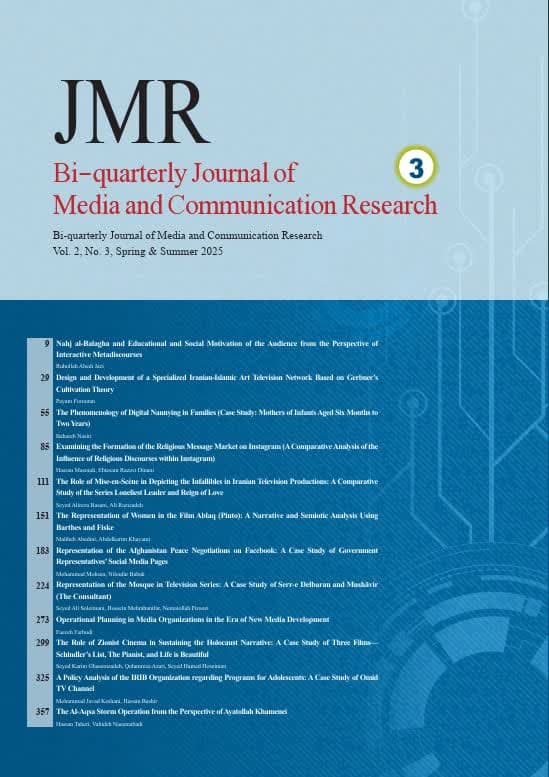
Abedi Jazi, R. (2024). Nahj al-Balagha and Educational and Social Motivation of the Audience from the Perspective of Interactive Metadiscourses. Media and Communication Research, 2(3), 9-28. https://doi.org/10.22034/mcr.2025.356233.1015
MLA
Abedi Jazi, R. "Nahj al-Balagha and Educational and Social Motivation of the Audience from the Perspective of Interactive Metadiscourses", Media and Communication Research, 2, 3, 2024, 9-28. doi: 10.22034/mcr.2025.356233.1015
HARVARD
Abedi Jazi R. (2024). 'Nahj al-Balagha and Educational and Social Motivation of the Audience from the Perspective of Interactive Metadiscourses', Media and Communication Research, 2(3), pp. 9-28. doi: 10.22034/mcr.2025.356233.1015
CHICAGO
R. Abedi Jazi, "Nahj al-Balagha and Educational and Social Motivation of the Audience from the Perspective of Interactive Metadiscourses," Media and Communication Research, 2 3 (2024): 9-28, doi: 10.22034/mcr.2025.356233.1015
VANCOUVER
Abedi Jazi R. Nahj al-Balagha and Educational and Social Motivation of the Audience from the Perspective of Interactive Metadiscourses. Media and Communication Research. 2024;2(3):9-28 (In Persian). doi: 10.22034/mcr.2025.356233.1015